




Dr. Olubunmi Kole-Dawodu, State Manager for the Small and Medium Enterprises Development Agency of Nigeria (SMEDAN), has disclosed that Lagos is home to over 50 million informal businesses.
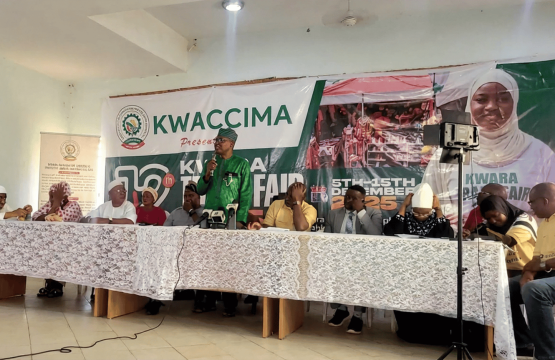
This announcement was made during a recent stakeholders’ forum on Economic Data Performance, organized by the Lagos Bureau of Statistics (LBS) at the Lagos Chamber of Commerce and Industry (LCCI).
In his address, Dr. Kole-Dawodu emphasized the substantial activities within the informal sector, highlighting its significant contributions to employment creation, revenue generation, and income for numerous individuals.
He expressed a commitment to maximizing the potential benefits of this sector, which has historically received limited attention from government initiatives.
The reported figure of over 50 million informal businesses indicates that many individuals operate multiple ventures in the informal economy.
A significant percentage of these enterprises remain unregistered and lack tax identification numbers, thus classifying their operations as informal or semi-formal.
Dr. Kole-Dawodu underscored the pressing necessity for reliable data collection from the informal sector, advocating for its integration into economic planning and Gross Domestic Product (GDP) calculations.
Acknowledging the sector’s critical role is vital for the economic development of Lagos and enables the formulation of targeted policies that can promote its growth.
Furthermore, Mrs. Olayinka Modupe Ojo, Permanent Secretary of the Lagos State Ministry of Economic Planning and Budget, addressed the substantial impact of the informal sector on livelihoods and its contribution to the overall GDP.
Despite its resilience, Mrs. Ojo highlighted the challenges posed by the sector’s under-representation in economic data, which hampers growth and integration efforts.
She recognized the difficulties in obtaining accurate data due to the sector’s decentralized and often undocumented nature.
Nevertheless, Mrs. Ojo emphasized that the forum represents a significant opportunity to bridge existing data gaps by engaging government entities, academia, civil society, and sector representatives collaboratively.