
By OCHEFA
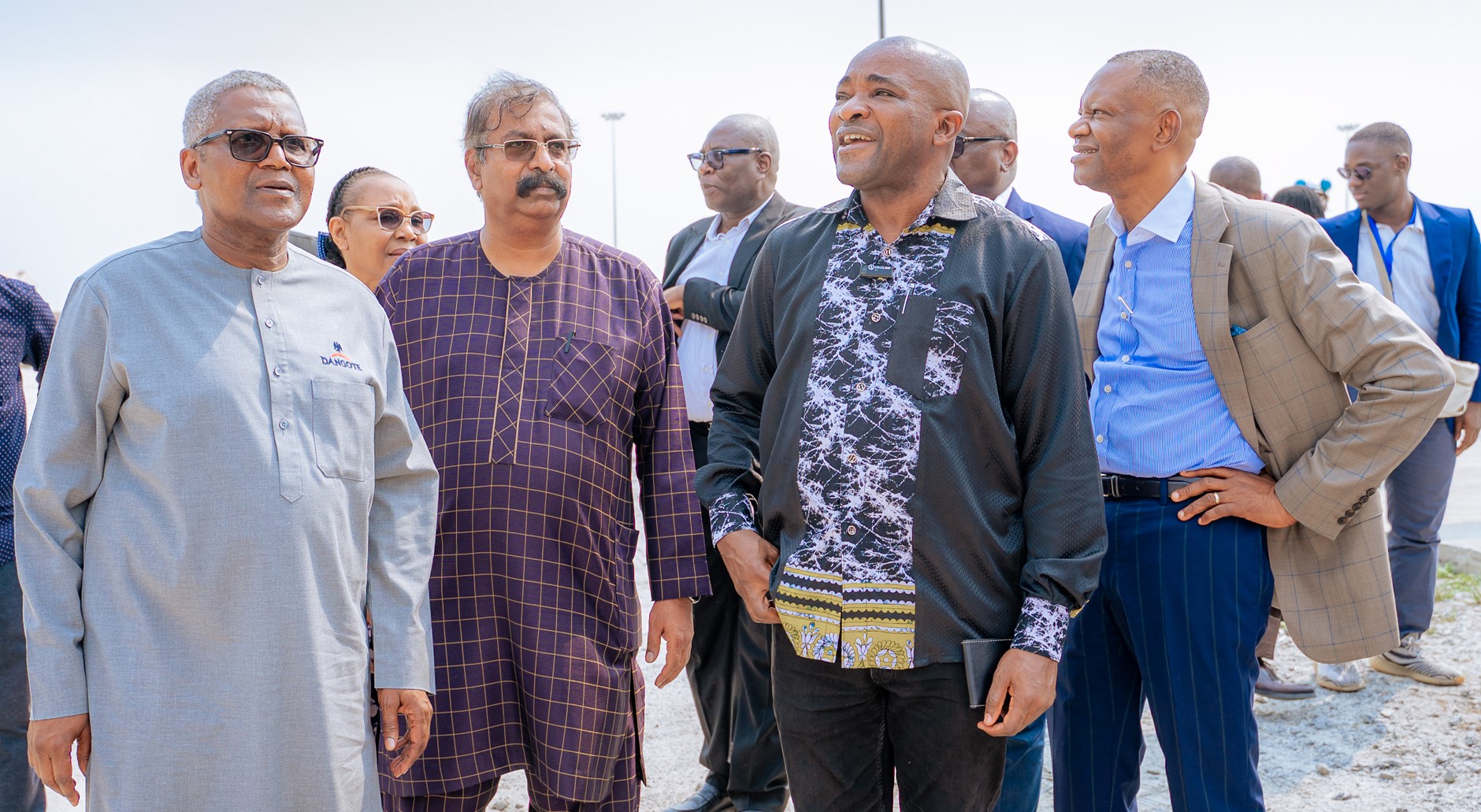
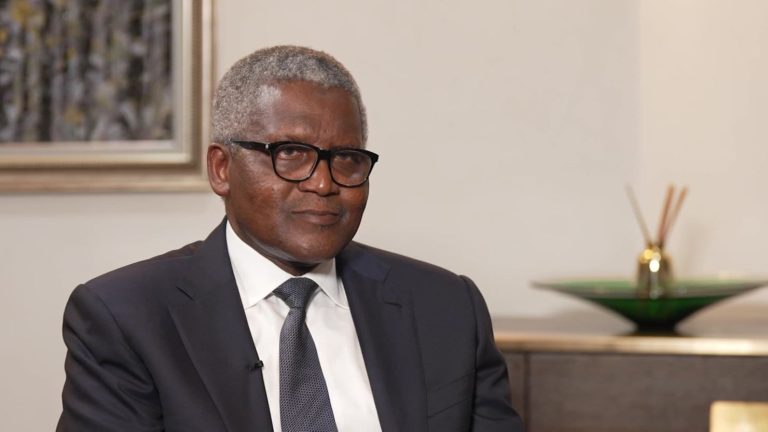
Africa’s billionaire Aliko Dangote, an astute industrialist, is always attentive to the environment around him, embodying the idiom” ears to the ground.
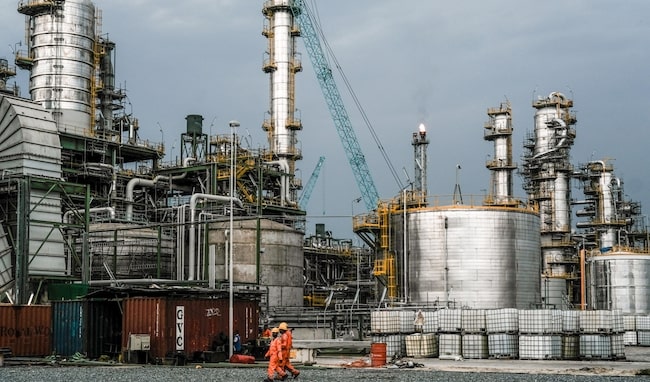
His investments in Nigeria and the other African countries span cement, sugar, petrochemicals, fertilisers and his latest venture, a $20 billion petroleum refinery in the Lekki free trade zone in Lagos.
Six months ago, Dangote stepped down as the Chairman of the Dangote Group’s Board on July 25, 2025.
Anthony Chiejina, the Group’s Chief of Branding and Communications, explained that this move allows Dangote to focus more on the refinery, petrochemicals, Fertiliser, and government relations, to elevate the company’s five- year plan to new heights.
Subsequently, Emmanuel Ikazoboh, an independent non- executive director, was appointed Chairman of Dangote Cement Plc.
With his keen awareness of global and local oil and gas developments, Dangote closely monitors issues affecting his refinery’s operations.
He relies on a team of experts to keep him informed, and he responds fiercely against policies threatening his interests.
A current example is his public dispute with Farouk Ahmed, CEO of the Nigerian Midstream and Downstream Petroleum Regulatory Authority (NMDPRA).
Recently, Dangote accused NMDPRA of economic sabotage, criticising its continued issuance of import licences for petroleum products- licenses totalling approximately 7. 5 billion litres of PMS for early 2026- despite Nigeria’s growing refining capacity.
He claimed this undermines local refining, sustains Nigeria’s dependence on fuel imports, and discourages local investments.
Dangote also alleged collusion between NMDPRA and international traders, which the regulator has denied.
Nigeria aims to reduce reliance on imported refined fuels by 2024/2025, transitioning to self- sufficiency through the Dangote Refinery and rehabilitated refineries in Port Harcourt, Warri, and Kaduna, with plans to become a net exporter. Policies like a proposed 15% duty aim to make imports more expensive and accelerate this transition.
Dangote insists that he seeks accountability, not removal, calling for an investigation into NMDPRA’ s actions.
Following Dangote’s accusations, Ahmed resigned, acknowledging awareness of allegations against him and his family, which have attracted public attention.
Ahmed stated that he avoided public disputes due to the sensitive nature of his regulatory role but welcomed a formal investigation to clear his name.
Nigeria aims to reduce reliance on imported refined fuels by 2024/2025, transitioning to self- sufficiency through the Dangote Refinery and rehabilitated refineries in Port Harcourt, Warri, and Kaduna, with plans to become a net exporter.
President Tinubu then asked the Senate to approve new CEOS for NMDPRA and NUPRC- Engineer Saidu Aliyu Mohammed and Oritsemeyiwa Amanorisewo Eyesan, respectively.
(Credit: Ohibaba.com)