






The Centre for the Promotion of Private Enterprise (CPPE) urges the new leadership of the Nigerian Midstream and Downstream Petroleum Regulatory Authority (NMDPRA) and the Nigerian Upstream Petroleum Regulatory Commission (NUPRC), and the Nigerian Upstream Petroleum Regulatory Commission (NUPRC) to prioritise domestic refining in the downstream sector above imported petrol.
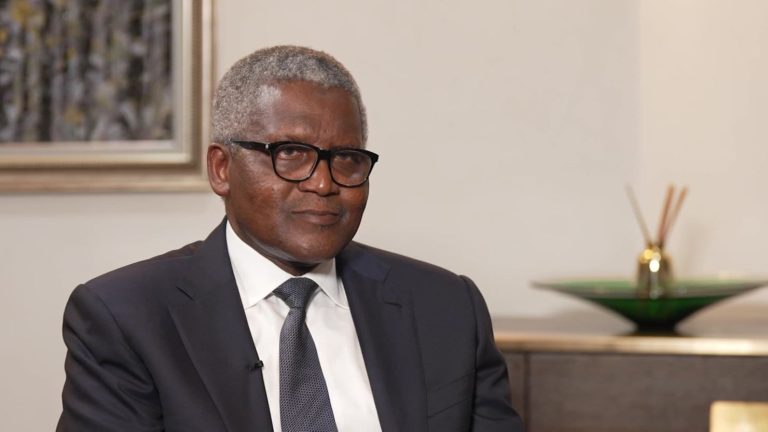
Dr Muda Yusuf, the CEO of CPPE, made the call following the recent issue between Aliko Dangote with the leadership of the NMDPRA under Farouk Ahmed.
Dr Yusuf, urges Farouk ‘s successor , to urgently refocus the sector priorities on reducing import dependence, expanding domestic capacity and catalysing investment across the entire oil and gas value chain.
He said :” Domestic Refining Must Be the Downstream Priority
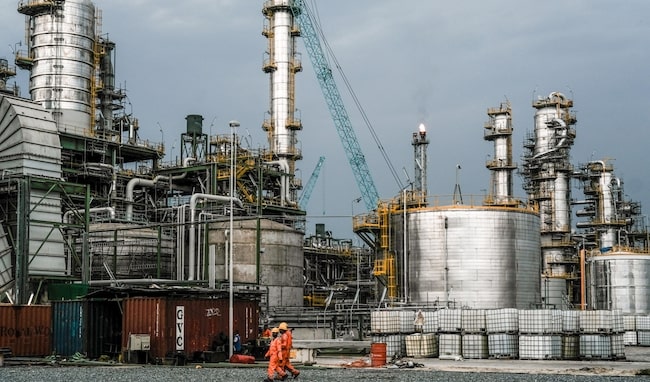
In the downstream segment, strong and deliberate support for domestic refining must be an immediate and non-negotiable priority.
Government policy should clearly favour locally refined petroleum products through targeted fiscal, regulatory and infrastructural support for both public and private refineries, while actively encouraging new investments in refining capacity.
Nigeria must end the current distortion whereby imported petroleum products are made to compete with locally refined products under unequal regulatory and fiscal conditions.
This does not constitute fair competition. Genuine competition only exists when all operators function within the same policy, tax and regulatory environment.
The NMDPRA must therefore place domestic refining at the centre of its policy framework, in line with the President’s Nigeria-First policy direction and industrialisation agenda.This is not merely to protect investors, but to safeguard Nigeria’s long-term economic interests.
A strong domestic refining base is fundamental to building a resilient, energy-secure and sovereign economy. It is also critical for job creation, foreign exchange conservation, macroeconomic stability and the development of export-oriented refining capacity.
More importantly, domestic refining is a major pathway to backward integration and resource-based industrialisation.
Supporting refineries strengthens Nigeria’s petrochemical, fertiliser and allied industries, thereby creating broader industrial value chains that drive inclusive growth.
Production Growth Must Anchor the Upstream Agenda
On the upstream side, Nigeria must urgently ramp up crude oil and gas production by implementing policies that attract fresh investments across onshore and offshore assets.
This is particularly critical as the global energy transition accelerates. Nigeria must maximise the value of its hydrocarbon endowments while the opportunity still exists.
The NUPRC should prioritise production growth, investment facilitation and improved security, with a clear national objective of raising crude oil output to a minimum of two million barrels per day through close collaboration with industry stakeholders.
Expanded investment in gas production must also be a central focus. Ensuring Compliance with domestic crude supply obligations to domestic refineries must be a priority.
These strategic imperatives must define the direction of Nigeria’s new petroleum regulatory leadership if the sector is to drive sustainable growth, industrialisation, and long-term economic resilience effectively.