




Photo: House of Representatives
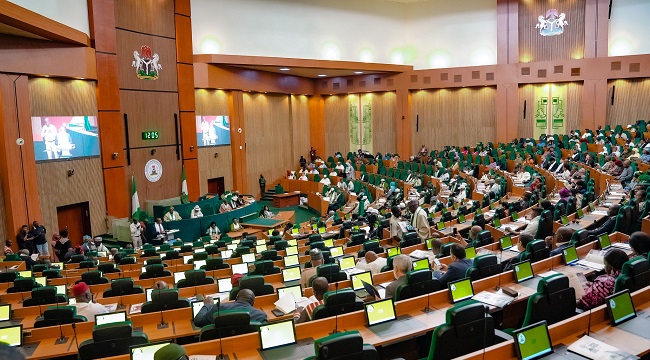
The House of Representatives Ad hoc Committee on the review of tax and export incentives, waivers and exemptions, is reviewing “The Export Expansion Grant (EEG); The RT200bn FX Programme; The Pioneer Status Incentive; and Selected Oil and Gas fiscal incentives.”
The Chairman of the Committee, Hon. James Faleke, disclosed that the review was necessary as a result of the country’s annual loss of about N8 trillion to waivers and concessions.
“Given the breadth and complexity of the subject matter, the Committee is conducting its work in phases. The first phase of the review focuses on four priority areas with significant fiscal and economic implications,“ said Faleke.
“Between 2023 and 2026, the federal government projects total revenue forgone from tax incentives at ₦12.4 trillion, while the tax-to-GDP ratio remains at only 10.6%, which is among the lowest in Africa.
“This is paradoxical and concerning, given the financial and fiscal challenges the nation is facing. The new tax regime has presented us with an opportunity to look inwards,” Faleke stated.
According to him, while these incentives were originally designed to stimulate investment, promote exports, support strategic sectors, and grow the economy, the House has resolved that it is both necessary and timely to; assess their actual economic impact.
“Determine whether they were administered transparently and in line with due process; and ensure that Government support delivers measurable value to the Nigerian economy.
Falake emphasised that the exercise was not a witch-hunt and should not be misconstrued as an attempt to undermine legitimate businesses or government support programmes, rather, it is intended to strengthen the administration of incentives, safeguard public funds, and restore confidence in policies designed to support investment and export-led growth.
“In particular, the Committee recognises the concerns of exporters regarding outstanding obligations under the Export Expansion Grant and is undertaking an evidence-based verification process to ensure that legitimate and duly substantiated claims are validated and appropriately addressed”, said Faleke.