

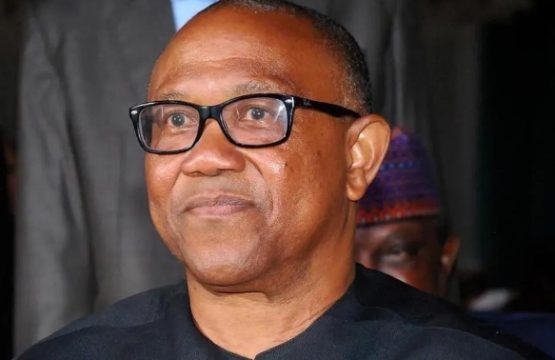

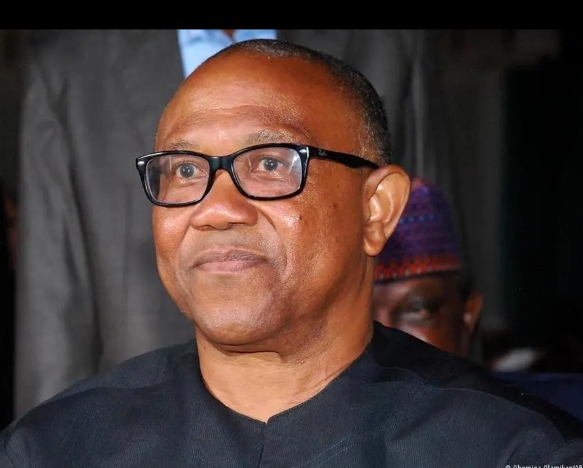
Nigeria’s Presidential hopeful under the African Democratic Party (ADC) Peter Obi, has said Nigeria’s recurring vulnerability to global economic shocks, particularly in the energy sector, is a direct consequence of poor planning and the absence of strategic buffers.
Obi made the observation in a post on Friday while reacting to the recent increase in fuel prices in the country, following rising tensions involving Iran which pushed global crude oil prices upward.
Obi said: ” Petrol, which sold for less than ₦1,000 per litre only a few weeks ago, now costs over ₦1,200 per litre in many parts of the country.
Diesel prices have also surged from below ₦1,000 per litre to more than ₦1,500 per litre within the same is global developments can impact Nigeria’s economy.”
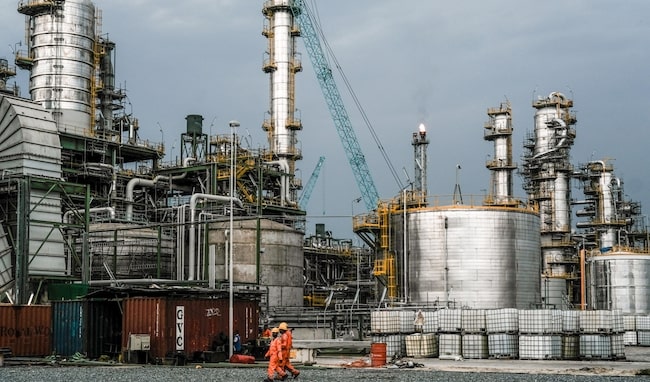
Obi emphasised that many countries across the world, whether they are oil-producing nations or not, maintain strategic petroleum reserves to cushion the impact of supply disruptions or sudden price spikes in the global market.
Such reserves, he noted, allow governments to release stored fuel during crises in order to stabilise supply and moderate price increases.
However, he said Nigeria lacks such a buffer, leaving the country immediately exposed whenever global oil prices rise or geopolitical tensions disrupt supply chains.
The situation highlights a broader issue of inadequate long-term planning in the country’s economic management. Countries that plan build buffers against shocks, while those that fail to plan remain vulnerable,” Obi stated.
He added the recurring fuel price hikes affecting Nigerians underscore the need for more deliberate and strategic economic planning.
He reiterated his position that with prudent management of resources and proper planning, Nigeria can build stronger economic safeguards and reduce its exposure to external shocks.