

MTN’s 5G reaches 15 million subscribers
MTN Nigeria said that this investment was strategically directed at capacity enhancement to reduce congestion and to deliver ultra-fast broadband to households through FTTH.



MTN Nigeria said that this investment was strategically directed at capacity enhancement to reduce congestion and to deliver ultra-fast broadband to households through FTTH.

Yuqing made the disclosure in an address during the Lagos Forum New Year Media Symposium, where she reviewed bilateral relations and outlined prospects for deeper cooperation in 2026.

The Chairman of the ZACCIMA Caretaker Committee, Alhaji Hassan Buhari Tafidan Maradun, defended the government’s action, saying the intervention became necessary due to alleged irregularities within the chamber’s leadership.

GDP does not capture progress in well-being, equity, inclusiveness or sustainability – and it was designed as a measure of economic activity.
Of Nigeria’s 14 industrial zones, activity levels in Abuja declined to 36.7% from 39.5%; Bauchi/Benue and Plateau dropped from 36.2% to 35.8%, while Kwara/Kogi decreased from 57.8% to 52.6%
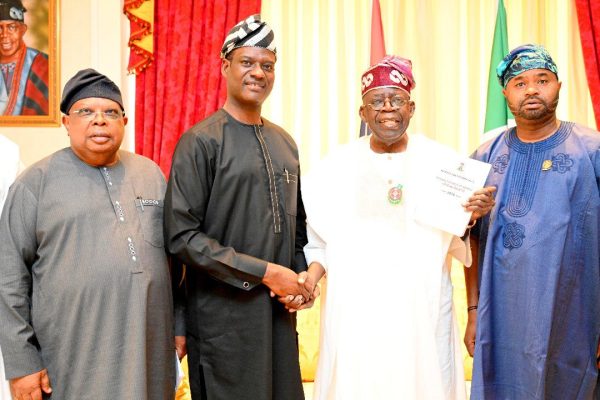
Our administration is aware of the public discourse surrounding alleged changes to some provisions of the recently enacted tax laws.

Kebbi State Deputy Governor, Umar Tafida has visited the site, where rescue efforts are still ongoing to save the five trapped victims.

Smatt-Oyerinde said that the government and the regulators should be worried about the rate of unemployment, worried about the business investment that will be lost and ; worried about the consequences of the message we are communicating to other investors.”

Accounts tied to workplaces, schools or organizations may require administrator approval, while most standard Gmail users will have to wait until the feature reaches their region.

Stocks analyst said that the sharp upturn in PZ Cusson Nigeria’s growth trajectory came on the back of the company’s recent suspension to exit the African market, citing renewed prospects in the continent, specifically, its Nigerian subsidiaries.