


For decades, Liberia had just one cement producer—and the country largely relied on imports to meet local demand, which often outpaced supply and led to unpredictable price fluctuations.
The Fouta Group—which sells rice, cement, steel bars, and other building materials—was among those companies importing cement, primarily from Türkiye, but by 2018, the company realized that this model was no longer viable.
Imports had become increasingly unreliable. Port congestion, seasonal rains and monsoons, demurrage charges, and sharp price fluctuations created uncertainty in supply and costs.
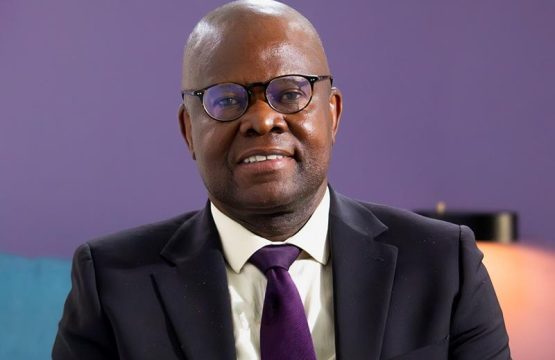
Cement, Hamidou Gnan Managing Director of the Fouta Group, explains, is “perishable” in some ways—vulnerable to moisture, torn bags, and caking during long transit and storage periods. “We realized that local production was essential to meet market demand,” Gnan said.
The shift from importing to manufacturing marked a strategic turning point—not just for Fouta, but for Liberia’s construction sector as a whole.
Investing in Manufacturing
With support from IFC, Fouta moved forward with plans to establish a cement grinding plant in Monrovia.
IFC invested US$16.6 million—of which $10.8 million was provided as a subordinated loan through the IDA Private Sector Window (PSW) Blended Finance Facility— and mobilized US$5 million from a financing partner, Bank of Africa United Kingdom, to help finance the construction and operations of the plant.
While clinker, a key raw material, is still imported, the cement itself is now produced locally for the domestic market, reducing Liberia’s reliance on imported construction materials. The investment is IFC’s largest in Liberia in recent years.
For IFC, investing in cement manufacturing aligns with a broader development imperative: cement is essential to infrastructure, and infrastructure underpins economic growth and job creation. IDA PSW was critical in helping mitigate the high risks of operating in Liberia’s fragile and unstable environment.
The plant became fully operational in January 2023. In the process, Fouta Cement has become a key employer, supporting more than 800 direct and indirect jobs and helping build new local value chains.
Today, Liberia’s cement market is estimated at about one million tons annually, with Fouta supplying roughly a quarter of total domestic demand—making it the country’s second largest cement producer.
Cement, Hamidou Gnan Managing Director of the Fouta Group, explains, is “perishable” in some ways—vulnerable to moisture, torn bags, and caking during long transit and storage periods. “We realized that local production was essential to meet market demand,” Gnan said.
More Supply, More Competition, Lower Prices
Construction is a driver of economic growth across Africa, with cement playing a critical role in infrastructure, housing construction, and employment, according to a World Bank study.
While cement, is often prohibitively expensive in low-income markets, prices tend to fall as competition increases.
Fouta estimates that cement prices have declined by about 10–15% nationwide since they began production.
In rural areas—where high transport costs often push prices even higher—the impact has been more pronounced.
By working with local distributors and subsidizing transport beyond the capital, Fouta has helped reduce prices by nearly 30% in some remote communities, according to the company.
“Efficiently sourcing essential building materials such as cement is challenging in low-income countries,” Kyle Kelhofer, IFC’s Senior Country Manager for Ghana and Liberia said.
“But when you increase the number of producers onshore, you strengthen supply chains and reduce prices, and that has a real impact on development and job creation.”
Jobs, Infrastructure, and a Growing Economy
Cement from Fouta is now used in major infrastructure projects across the country, including roads, bridges, railways, and housing.
Fouta is also contributing to a new highway designed to connect Liberia to neighboring Sierra Leone, strengthening regional trade and integration.
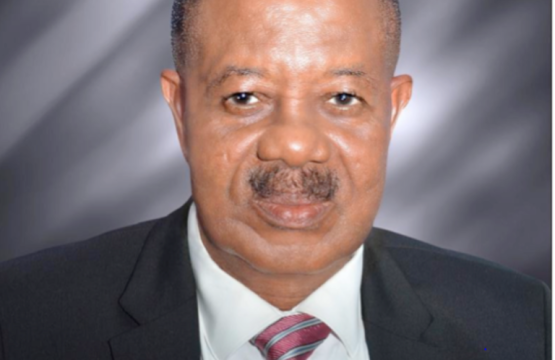
“Construction activity is one of the strongest contributors to Liberia’s GDP growth,” Mohamed Sow, President of the Fouta Group says. “That would not have been possible with only one cement factory.”
A Liberian Company, Building Liberia’s Future
Fouta is the only Liberian owned cement manufacturer in the country —a milestone that Sow believes carries significance beyond economics. “We can lift our heads and say proudly that we are one of Liberia’s partners in progress—providing jobs, expanding manufacturing, empowering young people, and creating new value chains,” he says. “And we plan to keep building.” Mohamed Sow, President of the Fouta Group.
Credit: IFC Newsletter June 2026