

PZ Cussons to continue manufacturing in Africa
PZ Cussons based its latest decision on improving economic indicators in Nigeria and strong population growth projections across the continent.



PZ Cussons based its latest decision on improving economic indicators in Nigeria and strong population growth projections across the continent.
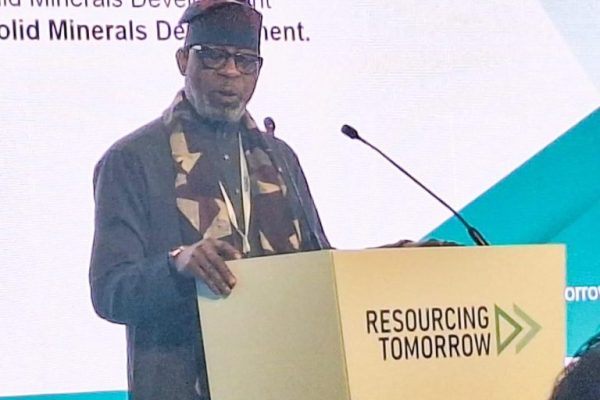
The Minister of Solid Minerals Development, Dr Dele Alake, disclosed while addressing prospective investors at the Resourcing Tomorrow exhibition and conference in London.

The big manufacturers being reached out to across the country includes Innoson Vehicle Manufacturing Company, Dangote Cement, LaFarge, Julius Berger, MTN, Airtel, Oando, Transcorp, Marriott, Eko Hotels, TotalEnergies, Obasanjo Farms, R.T Briscoe, Dantata Organisation, Nord Motors and many others.
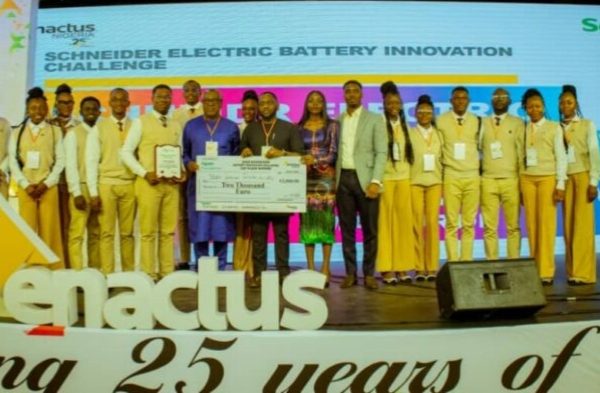
From Nigeria in first place is Joseph Sarwuan Tarka University (Energiv, €2000): Converting plastic waste into carbon nanotubes to enhance lithium-ion batteries;

A major dimension of the scandal, lawmakers said, was that lead processed in Ogijo had already been traced into international supply chains, reaching global battery and automobile manufacturers who either did not address the findings or relied solely on assurances from Nigerian suppliers.
We’re going to test about 500 people, including factory workers, residents living close to the industries and even their suppliers.

A recent mapping of Used Lead-Acid Battery (ULAB) recycling facilities in Nigeria reveals that 64 percent of them are found within Ogun State, with most of them concentrated in the Ogijo area of the state.

Segun, 62, the grandson of the deceased sage, Chief Obafemi Awolowo, was a lawyer by profession.

The House Ad-Hoc Committee on Pre-Shipment Inspection of Exports and Non-Repatriation of Crude Oil Proceeds, led by Seyi Sowunmi, a Labour Party (LP) lawmaker, moved the motion to unravel a scandal stretching across political eras, oil booms, recessions, and multiple administrations.

He urged the partners to embrace customs and logistics modernisation and to implement the AfCFTA framework more deliberately, as the partnership is turning the gains into a broader regional partnership across African markets.