







Africa cannot industrialise on private electricity —ITUC-Africa
Using Nigeria as an example, Odigie said electricity privatisation had failed to guarantee reliable access, while rising tariffs were making power increasingly unaffordable.
Features post
Using Nigeria as an example, Odigie said electricity privatisation had failed to guarantee reliable access, while rising tariffs were making power increasingly unaffordable.
Adeyeye also clarified that some products highlighted in recent reports, particularly imported agricultural produce, do not fall exclusively under NAFDAC’s regulatory mandate.
Programmes such as the Aliko Dangote Skill Acquisition Centre can equip young people with practical skills that enable them to become entrepreneurs, artisans or employees. The emphasis should increasingly be on modern technical, digital and industrial skills,” Umar said.
The biggest question now is whether Okin can convert its historical brand recognition into modern market power.
The forest economy also intersects with Nigeria’s industrialisation challenge.
Wood is an input into construction, furniture, packaging and a range of manufacturing activities.
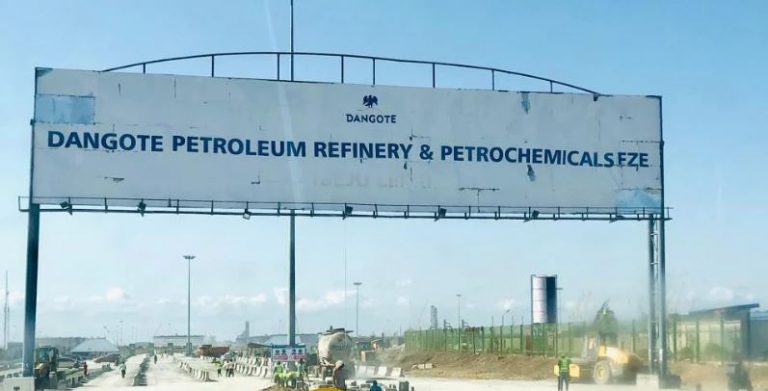
The refinery is challenging the directive on the ground that the petroleum regulator lacks the statutory authority to exercise regulatory or oversight powers over its operations within the free zone.
Manufacturers operating in industrial clusters need reliable electricity not only to keep production lines running but also to control operating costs.
Its argument is straightforward: when locally refined products cannot be absorbed by the domestic market because of competing imports, the surplus must be moved elsewhere. Hence, the increased exports.
Nigerian Breweries Plc, Guinness Nigeria Plc and International Breweries Plc paid N112.87 billion in taxes in the first half of 2026, up 58% from N71.39 billion a year earlier.
The agency’s Director – General, Prof Mojisola Christianah Adeyeye, also directed the Distillers and Blenders Association of Nigeria (DIBAN), the Association of Food, Beverage and Tobacco Employers (AFBTE), and their member companies who have not complied with the ban on alcoholic beverages packaged in sachets and PET (plastic) bottles below 200ml to do so.